
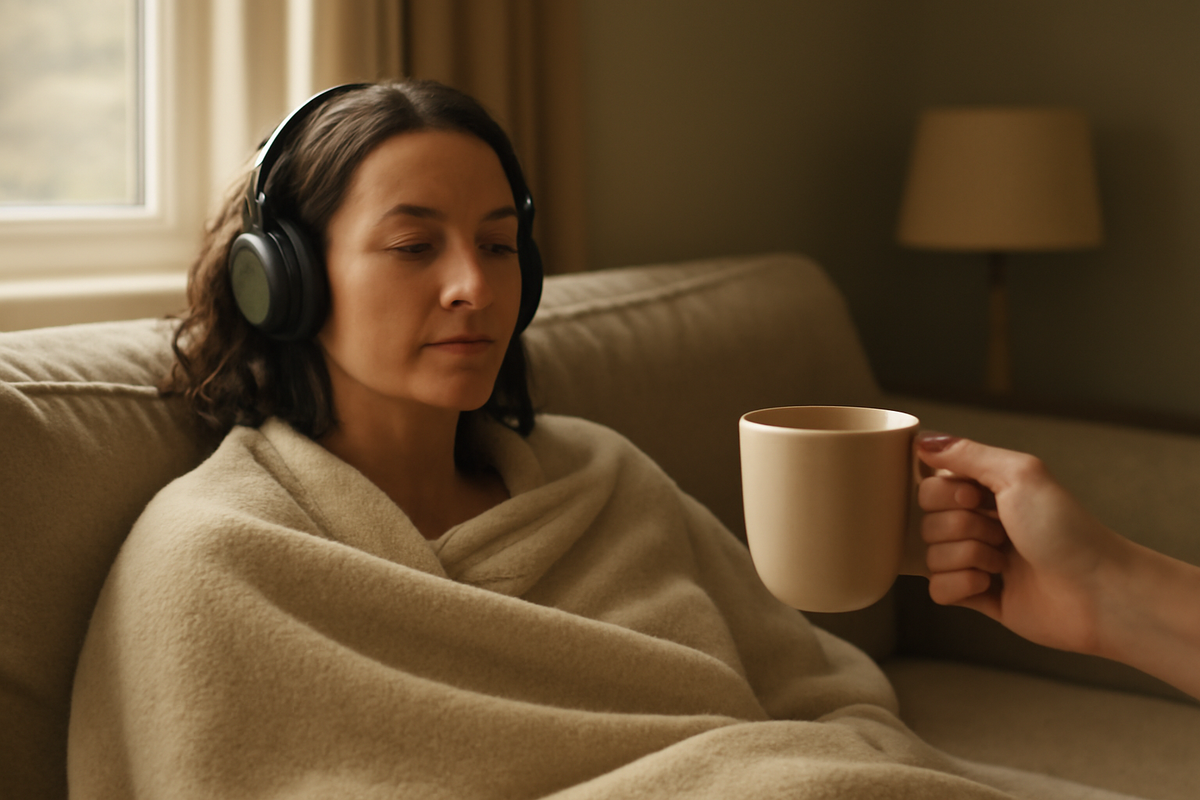
You can help someone with autistic burnout by believing them, reducing their immediate demands, making their surroundings quieter and safer, and letting recovery happen without pressure. Burnout is not laziness, failure or a lack of effort. It happens when someone has been coping beyond their capacity for too long.
The best support follows the person's lead. It respects how they prefer to communicate, and it protects their independence instead of taking it over.
How can I recognise autistic burnout?
Autistic burnout is intense and often prolonged exhaustion. It builds up from repeated demands, sensory strain and the effort of masking, which means hiding or suppressing autistic traits to fit in. In a study published in Autism in Adulthood, autistic adults described burnout as exhaustion that affects every part of life, with loss of function and a lower tolerance for sensory input. It typically lasts three months or more.
Look for changes from the person's usual baseline:
- Sounds, light or touch becoming harder to bear
- Less speech, or less capacity for social situations
- Difficulty planning or starting everyday tasks
- Emotional distress, shutdowns or meltdowns
- Physical exhaustion that sleep doesn't fix
- Loss of skills they used to manage, such as cooking or answering messages
Common causes include long periods of masking, work or caring demands, repeated transitions, inaccessible environments and too little recovery time. None of this is the person's fault. Dr Alice Nicholls's Autistic Burnout Symptom Checklist can help you organise what you notice. It is not a diagnosis, though, and it does not replace a professional assessment.
What should I do first when someone is experiencing autistic burnout?
Start by asking what would help. If open questions feel like too much, offer simple choices: "Would soup or toast be easier?" Written messages, gestures, silence and a reply hours later all count as communication.
Then clear some space. Cancel or postpone plans, decisions and social contact that aren't essential. Help with the basics, such as food, drinks, medication reminders, transport or letting work know, and ask permission wherever you can. Plan only for the next few hours or days. You don't need to solve everything this week.
Encourage rest. Be careful not to prescribe exercise, meditation or anything else that could become one more demand.
How can I reduce demands without taking away their independence?
Reducing demands works best when you do it together. Instead of taking control, ask which responsibilities could be paused, handed to someone else, simplified or done side by side. The person still makes the decisions about their own life. You are lightening the load.
Sensory adjustments often help, although needs vary a great deal:
- Dimmer lighting and less background noise
- Comfortable clothing and noise-cancelling headphones
- Familiar, easy foods
- A private space to retreat to
Practical help might mean making simple meals, dealing with selected messages, breaking tasks into one step at a time and keeping routines predictable.
The National Autistic Society's guidance on autistic fatigue and burnout recommends energy accounting. This means noticing which activities use up energy and which restore it, then planning fewer demands around the energy the person has. The guidance also stresses time without masking. Stimming, focused interests and time alone are often how a person regulates, so respect them when they are safe and chosen.
What support can work, school or university put in place?
Under the Equality Act 2010, employers must make reasonable adjustments for disabled workers, and autistic employees may be entitled to them. GOV.UK guidance on reasonable adjustments explains how to ask. Access to Work can fund extra support, including help with managing mental health at work.
| Setting | Who to contact | Adjustments that may help |
|---|---|---|
| Work | Line manager or HR | Temporary workload changes, clearer priorities, flexible hours, remote working, fewer meetings, written instructions, a phased return |
| School | Additional needs lead (the SENCO in England) | Reduced attendance, quiet spaces, other ways to communicate, flexible deadlines |
| University | Disability service | Extensions, a reduced timetable, quiet study spaces, written communication |
Education systems and terminology differ across England, Scotland, Wales and Northern Ireland, so check the guidance where the person lives.
What should I avoid saying or doing?
Don't call the person lazy, dramatic, rude or unwilling, and don't compare what they can do now with how they managed before burnout. "But you were fine last year" lands as an accusation.
Don't push conversation, eye contact, social events, exercise or a quick return to normal responsibilities. Don't make every decision for them either. Offer two or three manageable choices and check they agree. And don't hand them mindfulness as a compulsory calming technique. A compassionate approach that stays with the present moment should take pressure off, not ask someone to override their distress.
How long can recovery take, and how can I help prevent another burnout?
There is no fixed timetable. Recovery may take weeks, months or longer. It depends on how depleted the person is, which demands are still in place, their health and safety, and the support around them.
Some people describe burnout in four phases: warning, acute, chronic and recovery. It rarely runs in a straight line, though, and a better day does not mean the person has their full capacity back. Bring activities back gradually, guided by what the person tells you, with regular rest and no pressure to start masking again.
Prevention starts with spotting early warning signs together: changes in sleep, more sensory distress, withdrawal, and difficulty with executive functioning (planning, organising and starting tasks). A longer-term plan might include realistic expectations, adjustments at work or in study, firmer boundaries, protected recovery time and autism-informed professional support if the person wants it. Our guide to how therapy can help with burnout covers that support in more depth.
Frequently asked questions about autistic burnout
How is autistic burnout different from depression, anxiety or ordinary exhaustion?
The symptoms overlap, and a person can have more than one of these at once. Autistic burnout is usually linked to long-term autistic stress, masking and a poor fit with the person's environment. Ordinary tiredness usually improves with normal rest. If it's unclear which is which, get an assessment rather than diagnosing it yourself.
When should someone with autistic burnout seek professional or urgent help?
Get help if the person can't meet their basic needs, is getting rapidly worse, or mentions self-harm or suicidal thoughts. The NHS advises contacting 111 or asking for an urgent GP appointment for urgent mental health help, and calling 999 or going to A&E if someone's life is at risk. Samaritans is free on 116 123, day or night.
What NHS, council or private support is available in the UK?
A GP can refer the person to local NHS mental health or autism services. Councils carry out needs assessments, and occupational therapy and advocacy may also help. Private, autism-informed therapists are another option. What's available varies from region to region.
How can you take the next step?
Keep listening to the autistic person in your life. Consider professional support if burnout is affecting their mental health, relationships or daily life, or your own. Mark Shiels is a UKCP-registered psychotherapist who works with autistic adults and related emotional difficulties in Covent Garden, Hampstead and remotely by video or telephone. Therapy can support reflection and coping, but it is not a promised cure. If any of this resonates, you can call 07973 890 164 or email mark@buddhistpsychotherapy.org.uk whenever you feel ready.