
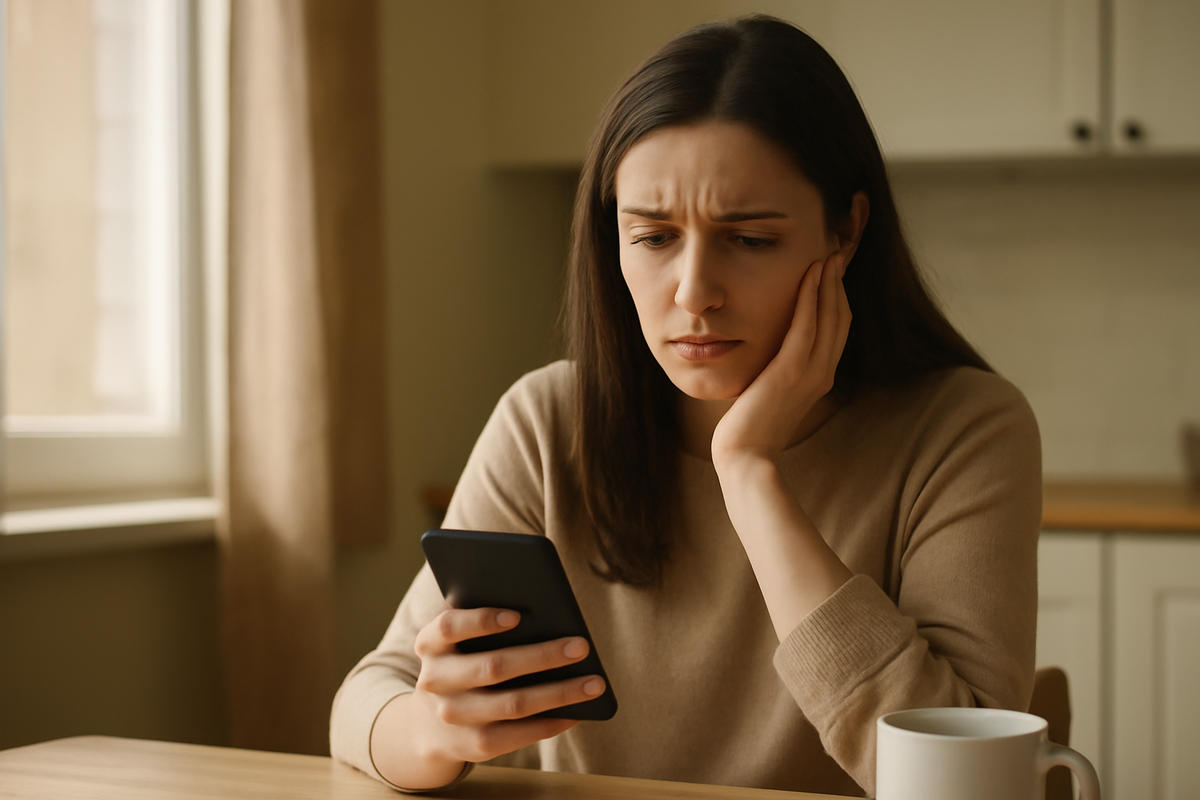
Rejection sensitive dysphoria, or RSD, is a sudden, overwhelming wave of emotional pain after real or perceived rejection, criticism or failure. It is often discussed alongside ADHD and emotional dysregulation, but it is not a formal diagnosis in its own right.
If you know the feeling, you know how real it is. That stays true even when the "rejection" turns out to be a slow reply or an unclear email. The pain is not imagined. What helps most is learning to recognise the pattern and finding the right professional support, rather than trying to diagnose yourself from a list online.
What is rejection sensitive dysphoria, and how is it connected to ADHD?
Rejection sensitivity is a heightened concern about being rejected. You expect it, you look for it, and you react strongly when you think you have found it. RSD is an informal term for an especially intense and distressing version of that response. Dysphoria means deep unease or emotional distress. So RSD is not the same as disliking criticism, being needy or taking things too personally.
The proposed link with ADHD is emotional regulation, which is your ability to calm strong feelings and recover from them. A review of emotional dysregulation in ADHD by Shaw and colleagues in the American Journal of Psychiatry found it common at every stage of life and a major contributor to difficulties in daily life. Research on RSD itself is much thinner.
What does an ADHD RSD episode feel and look like?
An episode usually starts with a trigger that looks small from the outside. It might be critical feedback in a meeting, a message left on read, or a group plan you only hear about afterwards. Mistakes, disagreements, or the sense that you have disappointed someone or failed can all set it off.
What follows can feel like the floor giving way. Shame, panic and humiliation arrive fast, sometimes with anger or despair. Your mind replays the moment over and over, and you feel a strong urge to escape or fix things straight away. Your body reacts too: a racing heart, a tight chest, heat in your face, nausea, shaking or a rush of adrenaline.
Other people may see tears, a flash of anger, sudden withdrawal, people-pleasing, repeated requests for reassurance, defensiveness or perfectionism. Some people quietly arrange their lives to avoid any situation where rejection is possible. A very intense response is sometimes called an "RSD meltdown", but it is not a clinical term.
These signs can appear in adults and in children. Ordinary upset and frustration, though, should not automatically be labelled RSD.
Why might rejection feel so overwhelming when you have ADHD?
Emotional dysregulation, in plain English, means feelings can rise very quickly, become hard to turn down and take a long time to settle. It varies a great deal between people with ADHD. Not everyone with ADHD experiences RSD, and intense rejection sensitivity is not found only alongside ADHD.
Impulsivity can add to the problem. Before you have had time to check what happened, you may already have sent a long message, replied angrily, gone silent or handed in your notice.
Your history may matter too. Many adults with ADHD grew up being corrected often, struggling at school, being misunderstood socially or being called careless or lazy. That can leave you braced for criticism. This is a possible contributor, not a proven cause for everyone.
Even so, it helps to separate how strong the feeling is from the evidence about what the other person actually meant.
How is RSD assessed, and could something else explain how you feel?
RSD is not a diagnosis in the DSM-5-TR or ICD-11. There is no NHS test for it and no agreed set of clinical criteria. The Cleveland Clinic overview notes that RSD is not an officially recognised medical condition.
That does not mean you have to work it out alone. A GP, psychiatrist, clinical psychologist or suitably qualified therapist can explore your triggers, how intense your reactions are, how long they last, how they affect your life and whether anything else is involved. If you think you may have ADHD and have not been assessed, a specialist can carry out an assessment in line with NICE guidance on ADHD diagnosis and management.
Several other experiences can look similar or overlap with RSD, including social anxiety, depression, trauma responses, low self-esteem, autism-related social experiences and broader emotional dysregulation. The aim is not to force every painful reaction into one label. Before an appointment, it helps to keep a short note of each episode:
- what happened
- what you felt in your body
- what you thought and did
- how long it took to settle
How can RSD affect your relationships, work and daily life?
At work, fear of criticism can lead to overworking and perfectionism. You might never apply for the promotion, give up creative projects halfway, or hear neutral feedback as a verdict on who you are.
In relationships, RSD may show up as people-pleasing, constant reassurance-seeking, jealousy, withdrawal or sudden anger. Some people end things first so they cannot be left. Avoidance can slowly narrow your education, friendships and social life, and going over the same moments again and again can disrupt your sleep and concentration.
Partners, colleagues and family feel the effects too. That does not make you manipulative or deliberately difficult. Repair usually means acknowledging the impact and explaining what happened without using ADHD as an excuse. Then listen to the other person, and come back to the conversation once you are both calmer.
What can help you manage RSD and ADHD?
An episode can feel endless while it is happening. In the moment, a simple sequence helps:
- Notice the trigger and name it: "this is the rejection feeling".
- Pause before you send messages or make decisions.
- Settle your body with slower out-breaths, or by feeling your feet on the floor.
- Check the facts and consider other explanations.
Sometimes the rejection is real. Then the task is to treat yourself kindly and set sensible boundaries, not to pretend it did not hurt. Over time, it helps to track your patterns, agree with people close to you how they will give feedback, put off big decisions until an episode has passed and cut down on avoidable overload. Present-moment awareness means noticing thoughts, sensations and impulses without treating each one as a command.
Psychotherapy gives you space to explore the shame, earlier criticism and relationship patterns behind the reaction, and how rejection is felt in your body. Buddhist psychotherapy, also called Core Process Psychotherapy, is a non-religious, contemplative approach. It works with suffering compassionately rather than promising to remove every difficult feeling.
No medication is licensed specifically for RSD. ADHD medication may help some people with wider symptoms and emotional regulation, but the evidence for RSD is limited. Decisions about benefits and risks belong with a qualified prescriber following NICE ADHD guidance. There is no fixed timetable and no guaranteed cure, although patterns often become easier to recognise and manage.
If you are having thoughts of self-harm or suicide, use urgent NHS mental health support. If you are in immediate danger, call 999 or go to A&E.
Frequently asked questions about RSD and ADHD
Can you experience rejection sensitive dysphoria without ADHD?
Yes. Intense rejection sensitivity can occur without ADHD. What matters is understanding your own pattern, whatever its source.
Can I get help for RSD through the NHS, and what might private support cost?
Start with your GP. NHS support will usually focus on ADHD, emotional regulation or another recognised difficulty rather than a separate RSD diagnosis. Private fees vary, so ask practitioners directly.
How can I support a partner, friend or child experiencing RSD?
Validate the feeling, speak calmly and agree on pauses in advance. Keep healthy boundaries, and avoid making repeated reassurance the only way of coping.
Would you like support with the emotional impact of ADHD and rejection?
If these patterns are affecting your relationships, work or sense of self, you are welcome to contact Mark Shiels, a UKCP-registered psychotherapist, whenever you feel ready. Mark offers psychotherapy for ADHD in person in Covent Garden and North London, as well as by video, FaceTime and telephone. You can call 07973 890 164 or email mark@buddhistpsychotherapy.org.uk. Psychotherapy can support emotional and relational difficulties, but it does not replace a specialist ADHD diagnostic assessment.